How Much Does Water Damage Restoration Cost?

January 8, 2026

Why Water Damage Costs Vary So Much

Water damage almost never happens at a convenient time. A burst pipe, overflowing appliance, or storm-related intrusion can turn into a stressful situation quickly—especially when homeowners start asking the same question: how much does water damage restoration cost?

If you’re dealing with water damage in Charlotte, NC, you’re likely trying to understand what affects pricing, what’s considered normal, and how to avoid paying more than necessary. This guide breaks down how water damage restoration costs work, what factors influence the final price, and what homeowners in the Charlotte area should realistically expect.


Understanding Water Damage Restoration Costs

Water damage restoration is not a flat-rate service. The cost depends on the severity of the damage, how quickly the issue is addressed, and what materials are affected. In general, homeowners can expect water damage restoration costs to fall within a wide range because no two situations are exactly alike.


Typical Water Damage Restoration Cost Ranges

While prices vary by situation, most residential water damage restoration projects fall into these general ranges:

  • Minor water damage: lower-end projects involving small leaks or limited areas
  • Moderate water damage: multiple rooms, soaked flooring, or drywall removal
  • Severe water damage: flooding, sewage contamination, or structural drying

Homes in Charlotte, NC often experience water damage from plumbing failures, heavy rain, and appliance malfunctions, all of which can significantly influence the scope—and cost—of restoration.


What Factors Affect the Cost of Water Damage Restoration?

Several variables directly impact how much water damage restoration costs. Understanding these helps homeowners make informed decisions and avoid surprises.


Type of Water Involved

Water is categorized based on contamination level, which affects safety procedures and cleanup requirements.

  • Clean water: from supply lines or appliances
  • Grey water: from washing machines or dishwashers
  • Black water: sewage or floodwater containing contaminants

Black water cleanup is the most expensive due to required safety protocols and specialized disposal.


Size of the Affected Area

Restoring a single bathroom costs far less than restoring an entire home. Larger affected areas require more labor, equipment, and time.


Materials That Need Restoration

Different materials respond to water differently:

  • Carpet and padding may require removal
  • Hardwood floors may need drying or replacement
  • Drywall often needs to be cut out and replaced

Homes in Charlotte with slab foundations or crawl spaces may also require additional moisture control measures.


Response Time

Delays increase costs. Water spreads quickly, leading to structural damage and mold growth if not addressed promptly. Fast response often reduces total restoration costs.


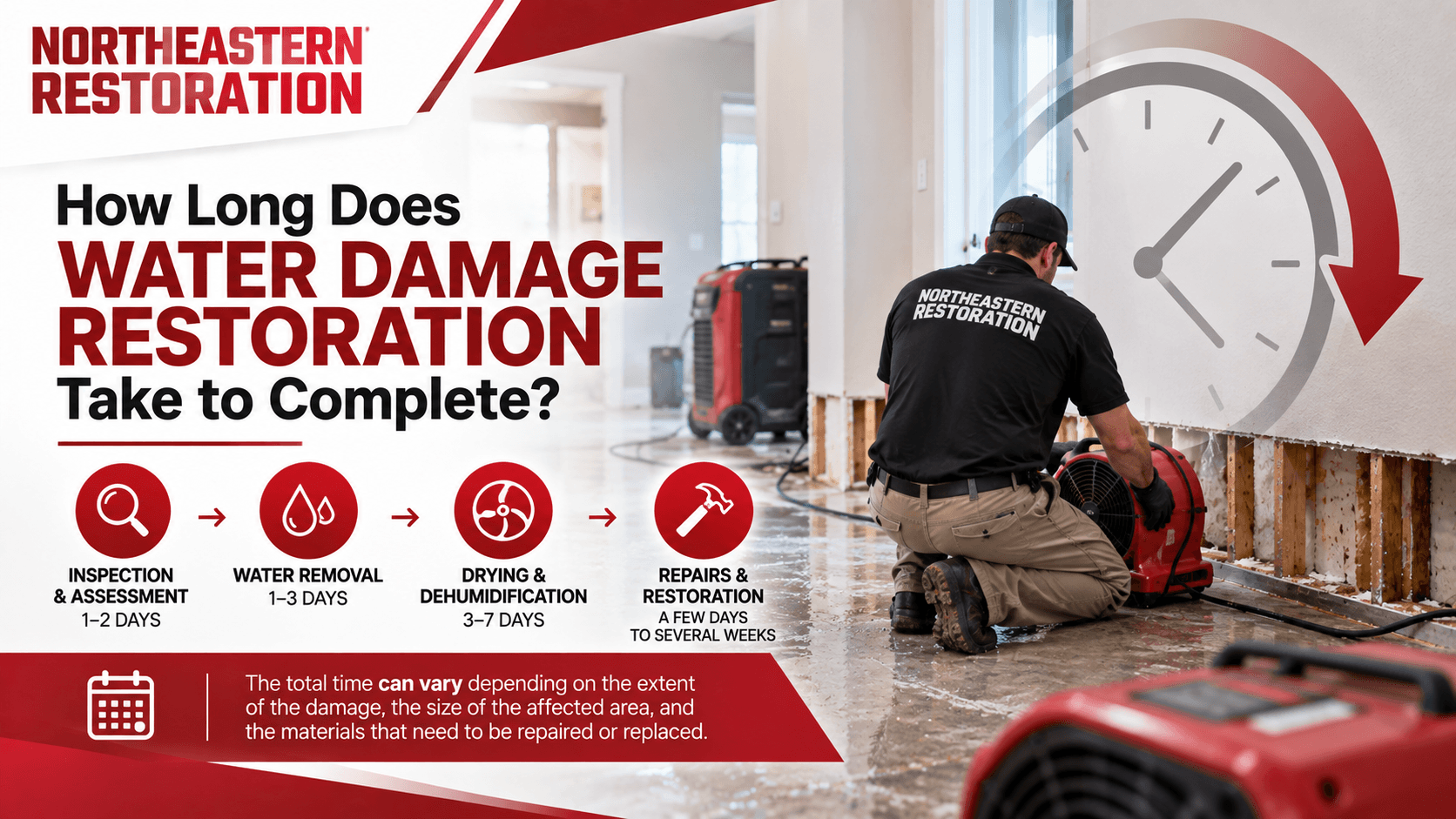
Water Damage Restoration Process: What You’re Paying For

Understanding the restoration process helps clarify where costs come from.

Step 1: Inspection and Damage Assessment

Professionals evaluate moisture levels, affected materials, and hidden damage using specialized tools.

Step 2: Water Removal and Extraction

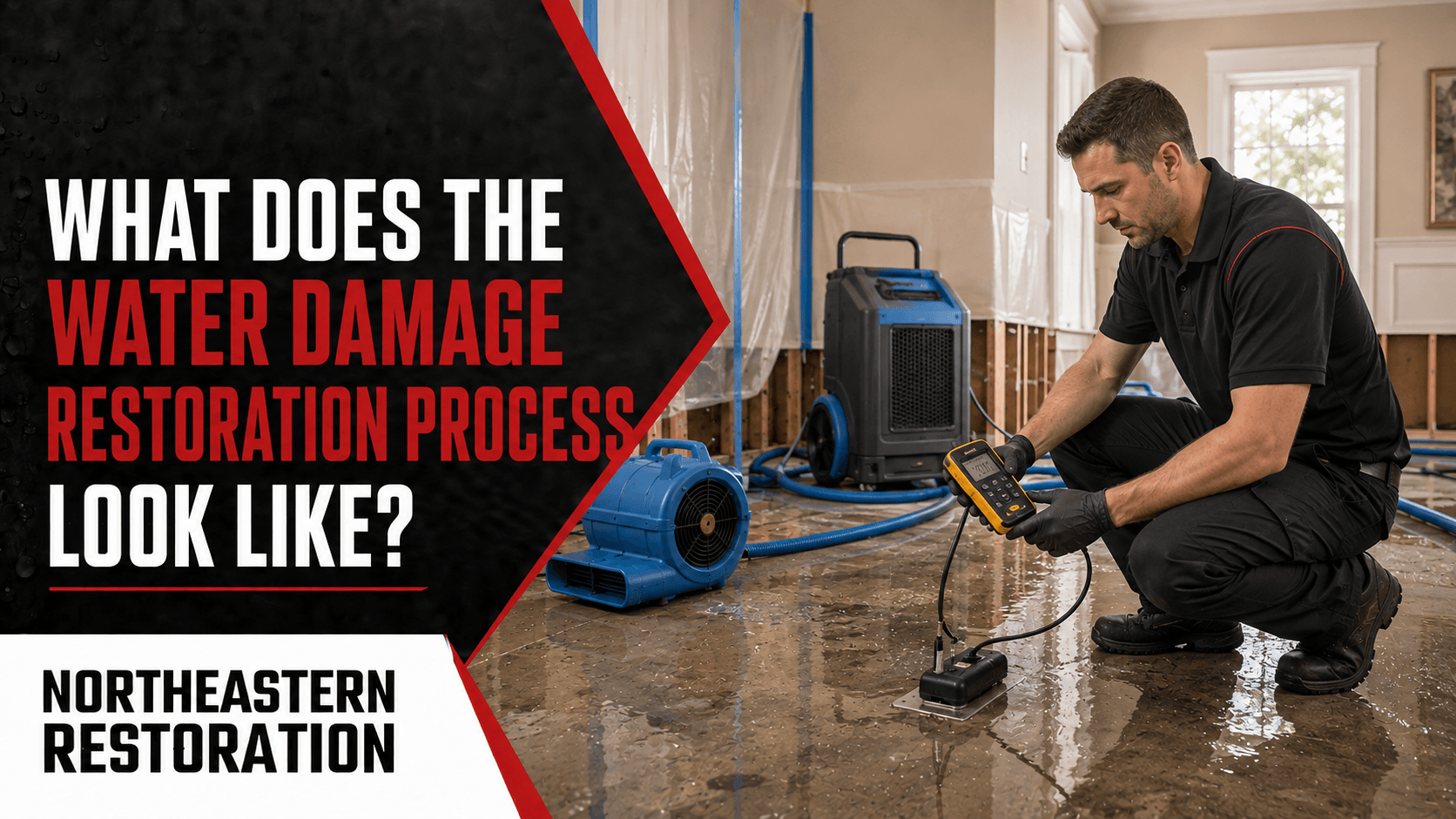
Standing water is removed using pumps and industrial extraction equipment to prevent further damage.

Step 3: Drying and Dehumidification

High-powered air movers and dehumidifiers dry structural materials and control humidity, especially important in Charlotte’s climate.

Step 4: Cleaning and Sanitizing

Surfaces are cleaned and disinfected to prevent odors, bacteria, and mold growth.

Step 5: Repairs and Restoration

Damaged drywall, flooring, or trim is repaired or replaced to restore the home to pre-damage condition.

Each step contributes to the overall water damage restoration cost.


Water Damage Restoration Cost by Common Scenarios

Different situations create different cost profiles.

Burst Pipes

Often involve clean water but can affect multiple rooms quickly, increasing drying and repair costs.

Appliance Leaks

Dishwashers, washing machines, and water heaters frequently cause localized but damaging leaks.

Storm and Rainwater Intrusion

Heavy storms in Charlotte, NC can lead to roof leaks, basement flooding, or crawl space saturation.

Sewage Backups

Among the most expensive scenarios due to contamination and required safety measures.

Frequently Asked Questions About Water Damage Restoration Costs

  • How much does water damage restoration usually cost?

    Costs vary based on damage extent, but most projects fall between minor repairs and full-scale restoration depending on conditions.

  • Does waiting increase water damage restoration costs?

    Yes. Delayed cleanup allows moisture to spread and increases the likelihood of mold and structural damage.

  • Is water extraction enough, or is full restoration needed?

    Water extraction alone is often not enough. Drying, dehumidification, and sanitizing are critical to prevent long-term issues.

  • Why does water type affect restoration cost?

    Contaminated water requires additional safety measures, specialized equipment, and regulated disposal, increasing costs.

  • How long does water damage restoration take?

    Most projects take several days to a few weeks, depending on severity and drying requirements.

Making Informed Decisions After Water Damage

Understanding how water damage restoration costs are determined helps homeowners plan, act quickly, and avoid unnecessary expenses. Factors such as water type, response time, affected materials, and the overall scope of damage all play a role in the final cost—especially in environments like Charlotte, NC, where humidity can accelerate damage.


Homeowners facing water damage often benefit from working with experienced restoration professionals who understand local conditions and can guide the process efficiently. Companies like Northeastern Restoration focus on addressing damage thoroughly while helping homeowners understand what’s happening at each stage of restoration.
By Maria Mallorca November 17, 2025
Water Damage Restoration: A Step-by-Step Guide for Homeowners
By Maria Mallorca November 3, 2025
The Importance of Professional Mold Remediation for Your Business
By Evan Bumbera October 20, 2025
EFire safety is a critical concern for any commercial property owner. Fire damage can lead to devastating losses, including significant financial setbacks, injuries, or even the closure of your business. According to the National Fire Protection Association (NFPA), commercial fires cause billions of dollars in damages annually. The toll on property and human life underscores the importance of fire prevention strategies for businesses of all sizes. This article will guide you through essential steps to prevent commercial fire damage, provide tips on maintaining a safe environment, and offer advice on responding to emergencies effectively. Whether you own a restaurant, office building, or retail store, proactive measures can minimize the risks and ensure your property and people remain safe. Understanding the Risks: Why Commercial Fires Happen Commercial fires often arise from a variety of sources, with some industries being more prone to certain hazards. Common causes of fire in commercial settings include electrical issues, heating equipment malfunctions, and human error, such as improper disposal of cigarettes. Electrical issues, such as faulty wiring or overloaded circuits, are a leading cause of fire damage in commercial properties. Restaurants and manufacturing facilities, for instance, face increased risks due to equipment like ovens, stoves, and industrial machinery. For office buildings, the presence of electronic devices and heating systems creates different risks. Understanding the nature of your business and performing a thorough risk assessment is vital in identifying specific fire hazards unique to your building. A restaurant might need additional precautions regarding grease buildup in kitchens, while an office might need to focus on maintaining its electrical system and fire detection devices. Essential Strategies for Preventing Fire Damage in Commercial Properties Preventing commercial fire damage should be a priority. By implementing proactive fire safety measures, you can protect your property, employees, and customers from the devastating consequences of a fire. The following strategies are essential to reducing fire risks. 1. Conduct Regular Fire Risk Assessments Fire risk assessments help identify potential hazards within your commercial property. These assessments should be conducted regularly to stay ahead of evolving risks, especially as your business grows and new equipment or materials are introduced. The process involves inspecting key areas like electrical systems, storage rooms, and kitchen equipment. A qualified professional should perform a thorough evaluation and provide a detailed report on identified hazards and suggested improvements. Depending on the complexity of your business, fire risk assessments should be done annually or more frequently if changes are made to the facility. 2. Install and Maintain Fire Detection Systems Early detection is crucial to minimizing fire damage. Installing fire alarms, smoke detectors, and sprinkler systems can alert employees and emergency responders quickly, significantly reducing the risk of extensive damage. Ensure that these systems are appropriately installed and regularly maintained. Smoke detectors and fire alarms should be tested at least once a month. Make sure batteries are replaced regularly and that alarms are located in all key areas, including kitchens and storage rooms. Additionally, fire sprinklers should be checked for proper water pressure and operational readiness. 3. Ensure Electrical Safety Electrical malfunctions are one of the most common causes of commercial fires. Regularly inspect all electrical wiring, outlets, and equipment to ensure they are in good condition. Overloaded circuits, exposed wires, and frayed cords should be repaired or replaced immediately. Encourage staff to follow safe electrical practices, such as avoiding overloading electrical outlets and turning off electrical equipment when not in use. Routine electrical inspections by a licensed professional can help detect issues before they escalate into a fire hazard. 4. Implement Fire Suppression Solutions Fire suppression systems, such as fire extinguishers and sprinkler systems, are essential for stopping a fire before it can spread. Ensure that fire extinguishers are available in easily accessible areas, and that employees are trained in their proper use. Sprinklers should be installed in key areas, such as kitchens or warehouses, where fire risks are higher. These systems must be regularly tested and maintained to ensure they will activate properly in an emergency. Always follow local building codes when implementing fire suppression solutions. 5. Safe Storage of Flammable Materials Flammable materials, including cleaning supplies, chemicals, and paper products, are common in many commercial spaces. Storing these materials safely is vital to reducing fire risks. Keep flammable materials away from heat sources and in well-ventilated areas. All containers should be clearly labeled, and proper storage protocols should be in place. Fire-resistant cabinets or storage rooms are recommended for particularly hazardous materials. Additionally, ensure that employees are aware of the importance of safely handling and disposing of flammable substances. 6. Conduct Regular Fire Safety Training Employee training is essential in ensuring that everyone knows what to do in the event of a fire. Conduct regular fire safety training sessions to teach staff how to recognize fire hazards, operate fire extinguishers, and evacuate safely. Training should include information on fire prevention measures, as well as emergency response procedures. Fire drills should be conducted at least once every six months to familiarize employees with the evacuation process and to ensure they remain calm and organized during a fire emergency. 7. Maintain Clear Escape Routes and Evacuation Plans Clear escape routes and well-designed evacuation plans are crucial in the event of a fire. Ensure that exit doors are not blocked, and that hallways and stairwells remain clear of obstructions. Mark all exits clearly and ensure they are well-lit, so employees can easily find their way out in an emergency. Evacuation plans should be posted in visible areas throughout your property, and employees should be familiar with them. Regular fire drills will help ensure that everyone knows their role in evacuating the building quickly and safely. 8. Utilize Fire-Resistant Materials and Fire Doors Using fire-resistant materials in the construction and design of your commercial building can help slow the spread of fire and protect key areas of your property. Fire-resistant walls, ceilings, and floors provide additional time for evacuation and help protect valuable assets. Fire doors are also crucial in preventing fire from spreading between different areas of the building. Ensure that all fire doors are properly maintained, closed, and not obstructed. These doors should be self-closing and made of materials designed to withstand high temperatures. 9. Enforce Strict Smoking Policies Smoking poses a significant fire risk, especially in commercial buildings with high foot traffic or in areas where flammable materials are stored. Enforce strict smoking policies that limit smoking to designated areas away from the building or combustible materials. Ensure that smoking materials, such as cigarette butts and matches, are properly disposed of in fireproof containers. Regularly inspect designated smoking areas to ensure compliance and minimize the risk of fire. 10. Stay Compliant with Fire Safety Regulations Local fire codes and regulations exist to protect both people and property from fire risks. Regular inspections by fire departments or fire safety professionals will help you stay compliant with these regulations and identify any potential hazards. Ensure that your property meets all fire safety requirements, such as proper signage, accessible fire exits, and adequate fire suppression systems. Keep up with any changes in fire safety laws, and ensure your business remains compliant at all times. How to Respond to a Fire Emergency In the event of a fire, swift action is necessary. First, immediately alert emergency services by dialing the fire department. Evacuate the building calmly and orderly, using the designated escape routes. Do not use elevators during a fire. Once everyone is outside, account for all employees and guests and wait for the fire department to arrive. Ensure that all firefighting equipment, such as fire extinguishers, is readily accessible to assist in containing smaller fires before emergency responders arrive. Post-Fire Recovery Strategies After a fire, the next step is assessing the damage and beginning the recovery process. First, contact your insurance provider to understand your coverage and file a claim. Ensure your policy includes both property damage and business interruption insurance. When selecting a fire restoration company, look for professionals with experience in commercial fire damage restoration. They can help you assess the full extent of the damage and coordinate repairs quickly, minimizing downtime and losses. Safeguard and Restore: A Comprehensive Approach to Fire Safety Preventing fire damage in your commercial building requires a comprehensive approach, including regular assessments, proper fire safety equipment, and well-trained staff. By following these strategies, you can protect your property, employees, and assets from the devastating effects of a fire.  At Northeastern Restoration, we specialize in commercial fire damage restoration and are here to help you safeguard your business. If you have experienced fire damage or need assistance in preparing your property, don’t hesitate to contact us for expert fire restoration services. Our team is committed to restoring your business to its pre-fire condition quickly and efficiently.
By Maria Mallorca October 6, 2025
Essential Fire Prevention Strategies for Commercial Buildings
By Maria Mallorca September 22, 2025
The Complete Homeowner’s Guide to Identifying Mold in Your Home
By Maria Mallorca September 8, 2025
Fire Damage: Causes, Effects, and How to Deal with It in Your Home
By Maria Mallorca August 25, 2025
How to Choose the Best Water Damage Restoration Company Near You
By Maria Mallorca August 11, 2025
Health Benefits of Mold Remediation: Why It’s Important for Your Well-Being
By Maria Mallorca July 28, 2025
How to Minimize Fire Damage in Your Home: Expert Tips and Solutions
By Maria Mallorca July 14, 2025
Essential Fire Damage Prevention Tips to Safeguard Your Home